
 Facebook
 X
X
 Pinterest
 Copy Link
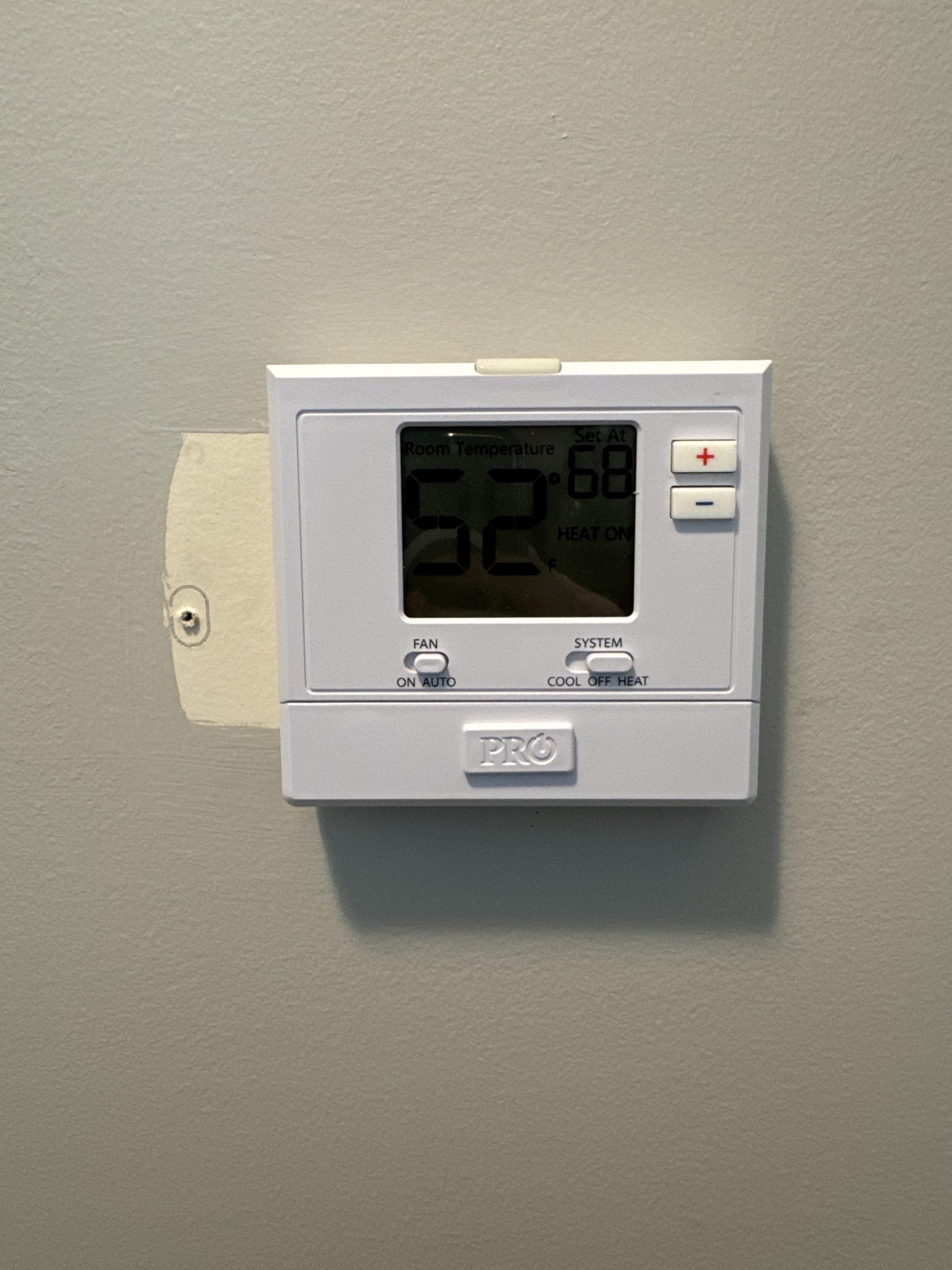 If you live in Pittsburgh, you already know winter heating isn’t optional — it’s a necessity. And lately, many homeowners are noticing higher gas and electric bills, even when they haven’t changed how they heat their homes.
One of the main reasons is rising natural gas and electricity prices across Western Pennsylvania. Higher fuel costs, increased demand during cold snaps, and upgrades to regional energy infrastructure all affect what we pay each month. Since heating is one of the biggest household expenses here, especially in older Pittsburgh homes, even small rate increases can have a big impact.
Many homes in Pittsburgh were built decades ago, and while they have tons of character, they can also lose heat more easily. Drafty windows, older doors, and limited insulation in attics or basements can cause your heating system to work overtime.
The good news is there are practical ways Pittsburgh homeowners can lower their heating bills without major renovations.
1. Start with your thermostat. Setting it a degree or two lower during the day — or overnight — can reduce heating costs over the course of the winter. A programmable or smart thermostat is especially helpful during those stretches of freezing weather we get here. There are also “off hours” which may be helpful to understand through your electricity company. This is especially useful for people with electric heat, but still helpful with gas heat as well. During the hours where people are not using as much electricity (off-hours)try turning your heat higher when it costs less, so that you can lower it later when its more in demand and costs more.
2. Next, focus on keeping the cold out. Sealing gaps around windows and doors with weatherstripping or caulk is an affordable fix that works well in older homes common throughout Pittsburgh neighborhoods. If you have a fireplace, make sure the damper is closed when it’s not in use — that alone can save you money.
3. Maintenance is key. Replacing furnace filters regularly helps your system run efficiently, and keeping radiators or baseboard heaters clear allows heat to circulate properly. This is especially important in homes with steam or hot water radiators, which are very common in the Pittsburgh area.
4.Insulation also plays a major role. Adding or improving insulation in attics, basements, and crawl spaces can significantly reduce heat loss — and many homeowners are surprised how much warmth escapes through these areas.
5. Finally, be mindful of overall electricity use. Shorter showers, LED lighting, and unplugging unused electronics can help offset higher energy costs during the winter months. Don’t forget about “off hours” in number 1.
Heating costs may be rising, but with a few smart adjustments, Pittsburgh homeowners can stay warm without letting their energy bills spiral. Small changes now can lead to noticeable savings all winter long.”
